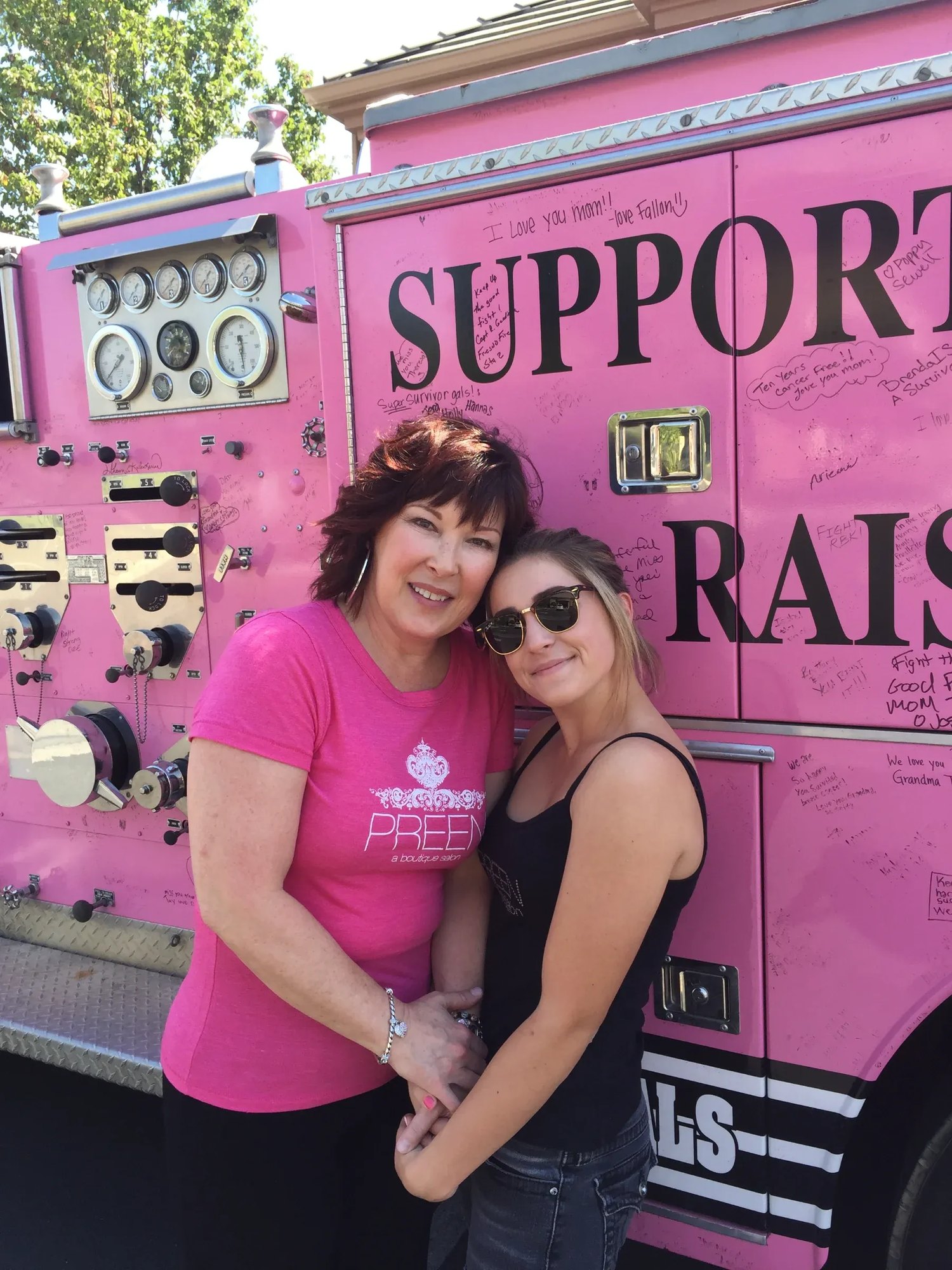
I was diagnosed with breast cancer in February of 2013. I was fifty years old. I had six rounds of chemotherapy over about eighteen weeks, and I kept working roughly thirty hours a week through most of it.
I had been an esthetician for sixteen years at that point. I knew a little about what was coming for my skin. You are never totally prepared.
This is what I actually experienced, and what I wish someone had told me.
Your skin can turn on you without warning
I developed a strange rash on both hands that traveled up toward my elbows. Nobody had mentioned that as a possibility.
The fix was not a treatment. It was subtraction. I switched my body cleanser to a simple olive oil soap that cleaned without stripping, and I stopped everything that exfoliated. All of it. No acids, no tretinoin, no scrubs, nothing with grit or actives in it.
That is the single most useful thing I can tell you. When your barrier is compromised, less is more. The instinct is to treat the problem with more products. During chemotherapy that instinct is wrong, and it will make things worse.
Products you have trusted for years may start to sting
This surprises people more than anything else. A serum you have used happily for a decade can suddenly burn.
You have not become allergic to it. Your barrier, the outermost layer that holds water in and keeps irritants out, has been compromised by the treatment. Everything gets through that should not.
I used Rhonda Allison through my entire treatment, because they had specific products developed for a compromised barrier and those were genuinely excellent. I still use them in my treatment room and still sell them, thirteen years later. That is not a plug. It is just what worked when my own skin was at its worst.
Sun protection matters more, not less
Many treatment drugs increase photosensitivity, and if you lose your hair you have a scalp that has never seen the sun in its adult life.
I wore sunscreen and I wore hats. Every day. Both for my face and my head.
Your brows and lashes may go, and later than you expect
I lost most of mine. Hair on my head came first, fourteen days after my first treatment, which is typical. Brows and lashes took longer.
I made one decision I would repeat: I did not wear false eyelashes. The adhesive is a real sensitivity risk on skin that is already reactive, and the last thing you need is a reaction on your eyelids on top of everything else.
I did keep getting my nails done. I was lucky and had no reactions there.
What I did about my hair
I woke up fourteen days after my first treatment with hair on my pillow, and in the shower I lost handfuls.
I was fortunate to work in a salon, so I had already cut my hair short and picked out a wig before it started. That Monday I asked my friends to shave my head. Rip off the bandage.
Then I wore the wig exactly twice. I hated it. It was not me.
What I actually did was wrap my head in large scarves, put on huge hoop earrings, wear my makeup, and dress my best every single day. That was my version. Yours may be completely different, and that is fine.
Work sustained me
I kept working through most of treatment. It got me out of the house, got me dressed, gave me purpose, and reminded me I was not done living.
I will be honest that it got harder. Each round seemed to build up. Early on I needed four days to recover before going back. By the end I needed five.
Everyone is different. Everyone has to take it at their own pace.
What a facial looks like during treatment
Careful, and coordinated with your medical team.
I have a client right now who is Stage 4 and receives treatment every three weeks. She does very well with her facials. Her skin has had few side effects, so we have changed very little except that we use no acids.
Working on someone in treatment requires knowing something about the drugs being used and something about the person receiving them. It is gentler, it is slower, and it is built around what your skin can tolerate that week rather than a fixed protocol.
I am not a doctor and I do not treat cancer. I work alongside your oncology team, not instead of them, and anything that concerns me goes to your physician. Always check with your oncologist before starting any new skin treatment during care.
The last thing
Thirteen years on, what I remember most is not the treatment. It is the people.
No one can walk in your shoes or truly know what you are going through. But it does not need to be a lonely walk. Find your people. Reach out to local support groups. Have as much fun as you can manage.
Live your life now.
If you are going through treatment and want gentle, oncology-aware skin care, I would be honored to help. Book a consultation and we will work together with your medical team on a plan that fits where your skin is right now.
Skin care that works with your treatment
Soft, unhurried facials in a private studio, built around where your skin is during and after cancer treatment and coordinated with your medical team. Learn about oncology facials in Fresno.